
Introduction
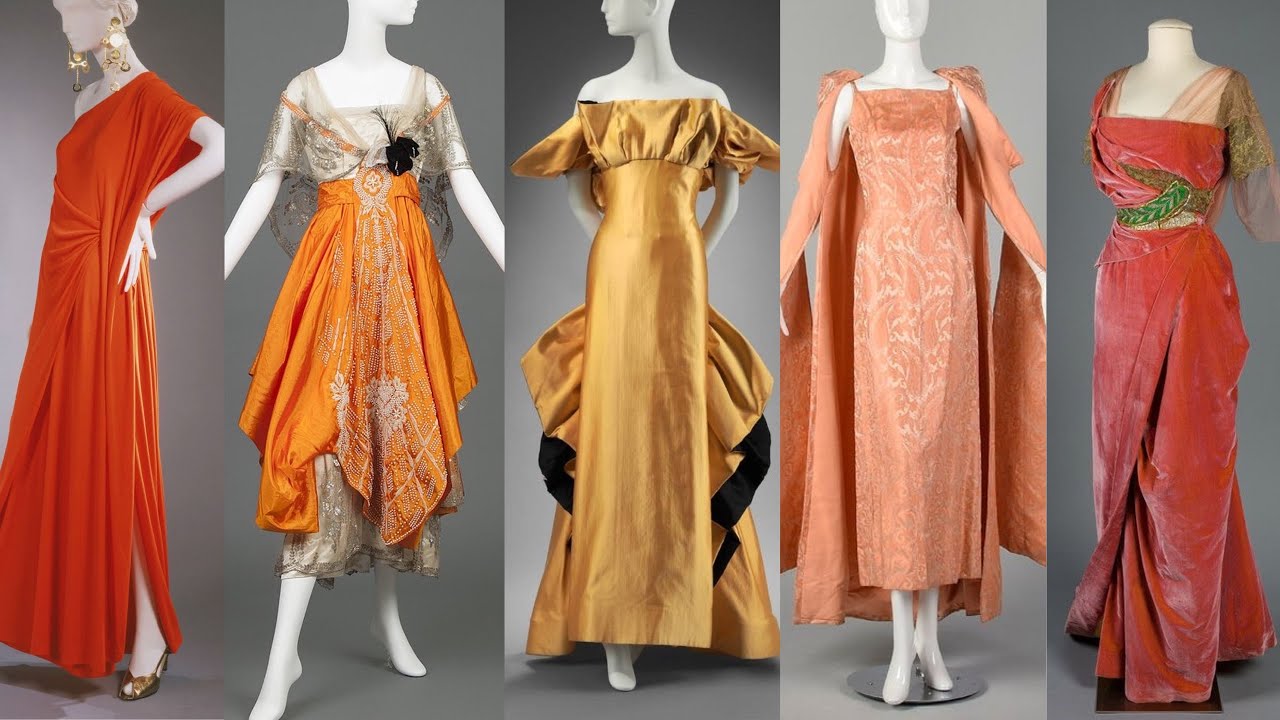
Vintage women's clothing holds a particular attraction, transferring us to a bygone period where fashion was more than simply garments - it was an art form. From glamorous flapper gowns of the 1920s to elegant tea gowns of the Victorian era, each item narrates and catches the essence of a time long gone. In this post, we will explore the globe of classic women's garments, exploring its history, design influences, and exactly how to integrate these classic items into your modern-day wardrobe.
The Development of Women's Garments Throughout History
Ancient Civilizations: From Togas to Tunics
In old civilizations such as Old Egypt and Greece, women's garments consisted mainly of draped garments. The Egyptians favored linen fabric for their outfits, while Greek women used peplos and chiton made from woollen or silk. These easy yet stylish layouts laid the foundation for future style trends.
Medieval Times: Style in the Middle Ages
During the medieval duration, women's garments became much more organized and layered. The renowned shape of this age included long gowns with equipped corsets and abundant skirts. Fabrics such as velvet and brocade were scheduled for the top class, while citizens put on less complex products like linen and wool.
Renaissance: A Time of Opulence
The Renaissance period brought opulence back into women's fashion. Gowns featured fancy decorations such as lace, embroidery, and pearls. Corsets came to be popular throughout this time around, producing a shapely shape that emphasized a woman's curves.
Victorian Era: Sophistication and Restraint
The Victorian period is understood for its rigorous social regulations and discreetness in gown. Women wore bodices to achieve a tiny waist and crinoline petticoats to create volume in their skirts. Sleeves came to be a lot more exaggerated, with puffed shoulders and complex shoelace details.
Roaring Twenties: The Birth of Flapper Fashion
The 1920s marked a transformation in women's style, with the development of the flapper design. Women welcomed shorter hemlines, loose-fitting outfits, and went down waists. The renowned flapper dress was a sign of disobedience versus the restrictive apparel of the past.
Key Aspects of Vintage Women's Apparel
Silhouette: From Hourglass to Boyish
One of the defining attributes of vintage women's apparel is the silhouette it produces. Throughout background, various shapes have been available in and out of fashion. From the shapely form of the Victorian period to the boylike number of the 1920s, each era had its very own perfect body shape.
Fabrics and Products: From Silk to Synthetic
The option of textiles and materials utilized in vintage women's apparel is a testimony to the craftsmanship of each era. In earlier centuries, natural fibers like silk, wool, and linen were typically made use of. As modern technology advanced, artificial products such as rayon and nylon ended up being more prevalent.
Details and Embellishments: Detailed Craftsmanship
Vintage women's garments is typically identified by its attention to detail and intricate craftsmanship. From delicate shoelace trims to hand-sewn embroidery, these embellishments add a touch of elegance and high-end per piece.
Prints and Patterns: Classic Designs
Prints and patterns play a considerable role in vintage women's garments. Floral themes, polka dots, stripes, and geometric layouts are simply some instances that have actually stood the test of time. Including these classic prints into your contemporary wardrobe can quickly elevate your style.
How to Include Classic Parts right into Your Modern Wardrobe
Mix and Suit: Old Meets New
One of the secrets to effectively incorporating vintage items right into your modern closet is mixing them with modern things. Pair a vintage shirt with high-waisted jeans, or layer a vintage blazer over a streamlined outfit. This develops a special and eclectic appearance that integrates the very best of both worlds.
Accessorize: Add Classic Charm
Accessories are an excellent way to add a touch of vintage charm to any kind of attire. A declaration breastpin, a vintage-inspired bag, or a set of retro sunglasses can quickly transform your appearance. Don't hesitate to experiment and discover devices that enhance your personal style.
Tailoring: The Perfect Fit
Vintage items typically require some changes to accomplish the excellent fit. Visit a trusted dressmaker that focuses on classic clothing to guarantee that your freshly acquired treasures flatter your number. A https://caidenorlg094.mystrikingly.com/ well-fitted garment can make all the distinction in how you really feel and look.
FAQs regarding Vintage Women's Apparel
Q: How do I recognize if a piece of apparel is considered "vintage"? A: Vintage clothing commonly refers to garments that are at the very least two decades old. Search for unique layout details, labels from particular periods, or consult a professional for verification.
Q: Where can I locate authentic classic women's apparel? A: Thrift stores, flea markets, classic boutiques, and online systems such as Etsy and ebay.com are excellent locations to start your look for genuine vintage pieces.
Q: Can I use classic pieces without looking obsoleted? A: Absolutely! Including vintage pieces right into your modern closet is everything about equilibrium and personal design. Mix them with contemporary things and accessories to create an one-of-a-kind and ageless look.
Q: Just how do I look after vintage garments? A: Vintage garments need unique treatment due to their age and delicate textiles. Comply with the directions on the tag, hand clean when possible, and save them correctly to preserve their condition.
Q: Are there any specific trends in vintage women's apparel that are popular today? A: Certain vintage trends, such as the bohemian style of the 1970s or the mod fashion of the 1960s, have picked up in recent times. Explore various eras to find styles that resonate with you.
Q: Is it feasible to discover affordable vintage women's garments? A: While some unusual and highly in-demand vintage items can be pricey, there are lots of inexpensive choices available. Thrift stores and on-line industries often use budget-friendly vintage finds.
Conclusion
Decoding the secrets of vintage women's garments enables us to value the rich history and timeless elegance these garments possess. By understanding the evolution of style throughout background, crucial elements of classic garments, and exactly how to integrate them into your modern closet, you can produce an unique design that sticks out from the group. Welcome the appeal of vintage and allow it motivate your style selections, allowing you to express your individuality with a touch of nostalgia.